I cannot believe we are halfway through yet another very strange year! For most people it has been 18 months of continually adjusting. Although for a growing number of people adjusting comes at a much higher price.
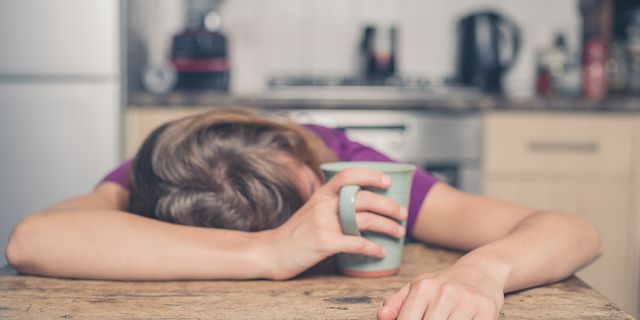
Here at Absolute Yoga and Pilates we are receiving a much higher number of enquiries from people who are suffering from Chronic Fatigue, Fibromyalgia, and other chronic fatigue related conditions. These people have been recommended to try yoga or Pilates by their GP or specialist to regain some control in their lives and manage their conditions.
We are also hearing more about the long-term effects of Covid-19 now known as ‘Long Covid’ or post Covid Related Fatigue. Research is being carried out throughout the world, monitoring patients, their symptoms, and the slow recovery process.
As fitness professionals most of our training has been to encourage people to be more active and exercise more frequently. However, this approach will not work for people suffering from fatigue related conditions. Clients presenting with these conditions may need to be less active and take more rests to manage the fatigue aspects of their illness and improve their quality of life.
Earlier this month Wendy and I completed specialist CPD training for clients presenting with chronic fatigue conditions including Fibromyalgia and Long Covid. This training has been a revelation to our thinking and will re-shape the lessons we teach. I would urge all Fitness Professionals to take this training or similar training. Our world is changing, and we need to change with it.
For more information about Exercise and Chronic Fatigue Conditions training go to: Exact Training and Resources
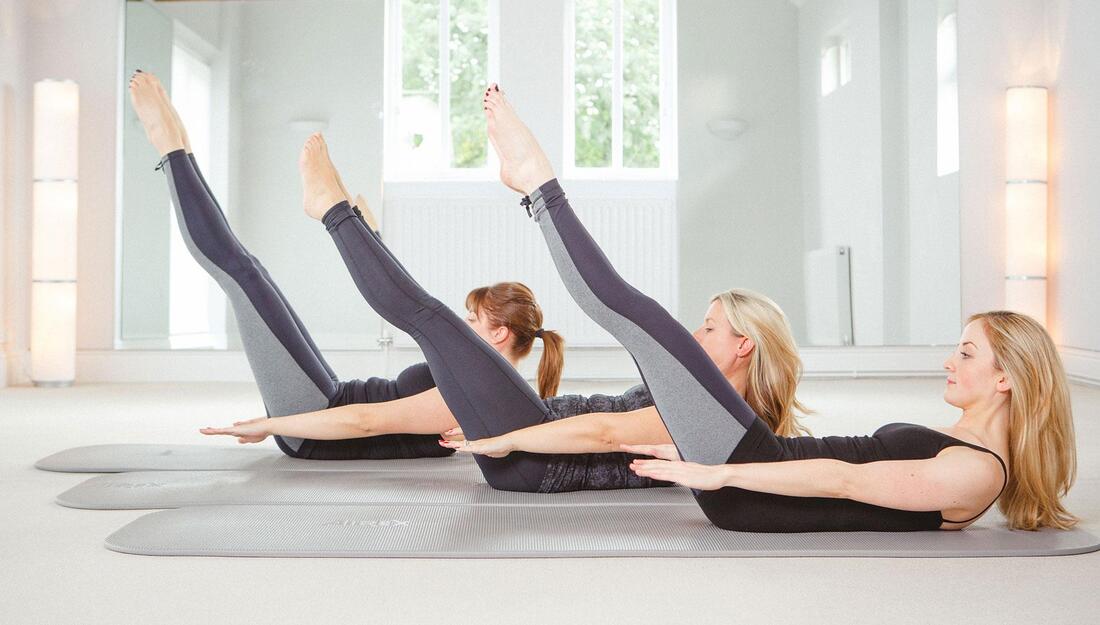
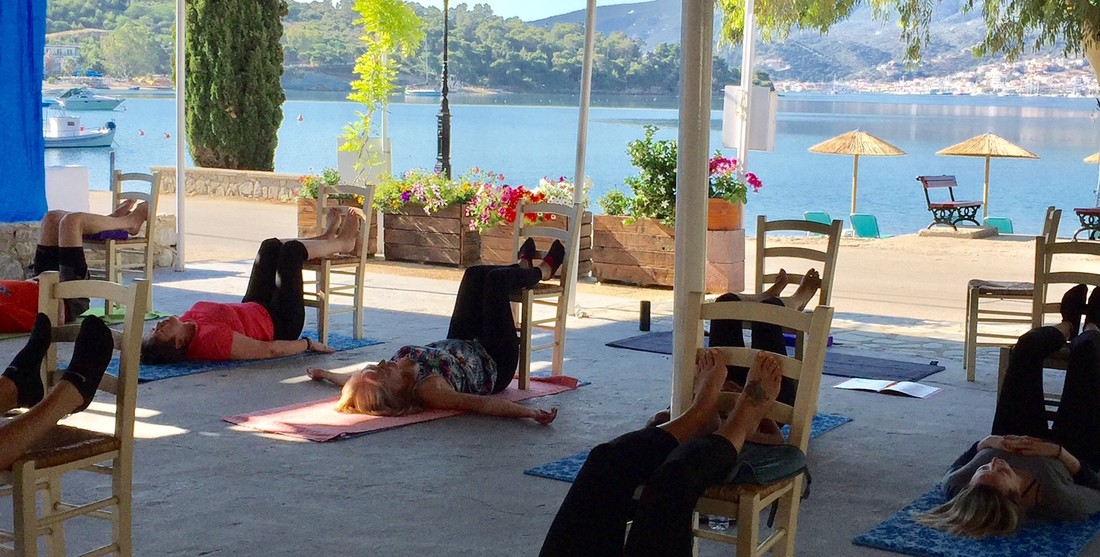
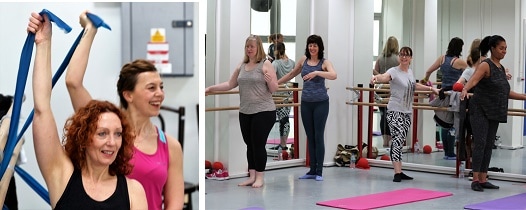
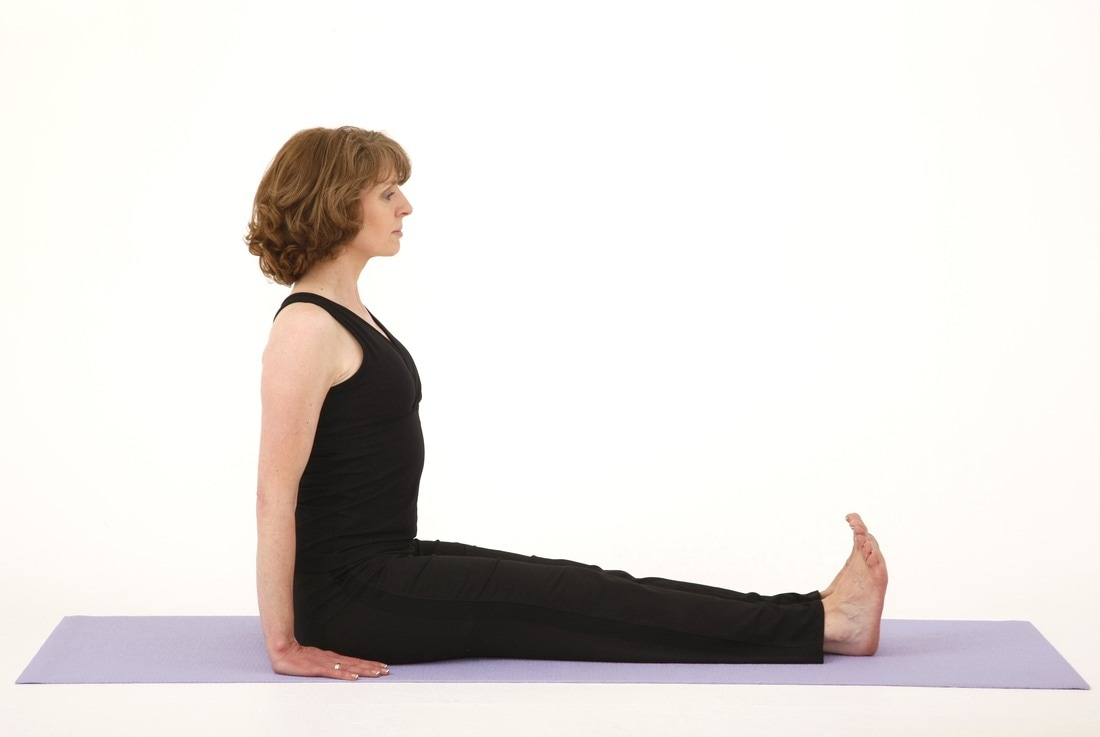
Here are some of the benefits of going to a dedicated Yoga, Pilates, or Tai Chi class for someone suffering from a chronic fatigue condition.
Where to go and what to do:
Finding a class or (gym) who are sympathetic to your individual needs and making you welcome can be difficult. Most classes are taught with the attitude ‘go big, go strong or go home’. This simply will not work, it is not realistic, welcoming or kind. Here are Absolute Yoga and Pilates, we promise to be realistic, welcoming and most importantly, kind.
If you are returning to ‘normal life’ after an illness, suffer from a chronic fatigue condition or are recovering from an injury we will be starting a dedicated ‘Pilates for Wellness’ class in September 2021.
For more information about Absolute Yoga and Pilates, our classes, either face to face or our online community, please follow the link to our website. We would love to hear from you.
Website: https://www.absoluteyogaandpilates.co.uk/
Facebook: https://www.facebook.com/absoluteyogaandpilates/
Instagram: https://www.instagram.com/absoluteyogaandpilates/
Written and published by Pauline Ward
Absolute Yoga and Pilates Business Owner and Fitness Professional
Here at Absolute Yoga and Pilates we are receiving a much higher number of enquiries from people who are suffering from Chronic Fatigue, Fibromyalgia, and other chronic fatigue related conditions. These people have been recommended to try yoga or Pilates by their GP or specialist to regain some control in their lives and manage their conditions.
We are also hearing more about the long-term effects of Covid-19 now known as ‘Long Covid’ or post Covid Related Fatigue. Research is being carried out throughout the world, monitoring patients, their symptoms, and the slow recovery process.
As fitness professionals most of our training has been to encourage people to be more active and exercise more frequently. However, this approach will not work for people suffering from fatigue related conditions. Clients presenting with these conditions may need to be less active and take more rests to manage the fatigue aspects of their illness and improve their quality of life.
Earlier this month Wendy and I completed specialist CPD training for clients presenting with chronic fatigue conditions including Fibromyalgia and Long Covid. This training has been a revelation to our thinking and will re-shape the lessons we teach. I would urge all Fitness Professionals to take this training or similar training. Our world is changing, and we need to change with it.
For more information about Exercise and Chronic Fatigue Conditions training go to: Exact Training and Resources
Here are some of the benefits of going to a dedicated Yoga, Pilates, or Tai Chi class for someone suffering from a chronic fatigue condition.
- You may feel more energised and less tired.
- It may have beneficial effects on your physical capacity and maintain functional work/play capacity.
- It may help prevent loss of physical capacity manage the symptoms of your illness.
- It may help manage muscle/joint soreness.
- It may help improve mobility for everyday wellbeing.
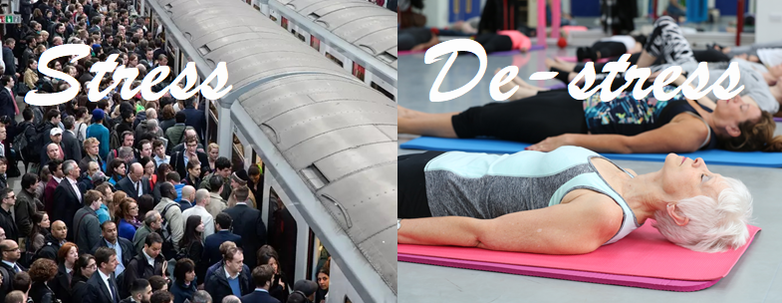
- It will teach you techniques to manage stress through breathing, meditation, and movement.
- It will help you take control and improve how you feel in yourself.
- It will help you to understand your body, when to do less and when to rest. This learning can transfer to all aspects of life.
Where to go and what to do:
Finding a class or (gym) who are sympathetic to your individual needs and making you welcome can be difficult. Most classes are taught with the attitude ‘go big, go strong or go home’. This simply will not work, it is not realistic, welcoming or kind. Here are Absolute Yoga and Pilates, we promise to be realistic, welcoming and most importantly, kind.
If you are returning to ‘normal life’ after an illness, suffer from a chronic fatigue condition or are recovering from an injury we will be starting a dedicated ‘Pilates for Wellness’ class in September 2021.
For more information about Absolute Yoga and Pilates, our classes, either face to face or our online community, please follow the link to our website. We would love to hear from you.
Website: https://www.absoluteyogaandpilates.co.uk/
Facebook: https://www.facebook.com/absoluteyogaandpilates/
Instagram: https://www.instagram.com/absoluteyogaandpilates/
Written and published by Pauline Ward
Absolute Yoga and Pilates Business Owner and Fitness Professional






 RSS Feed